
Intelligenza artificiale: pericolo, opportunità, o entrambe le cose?
 Giu 08,2023
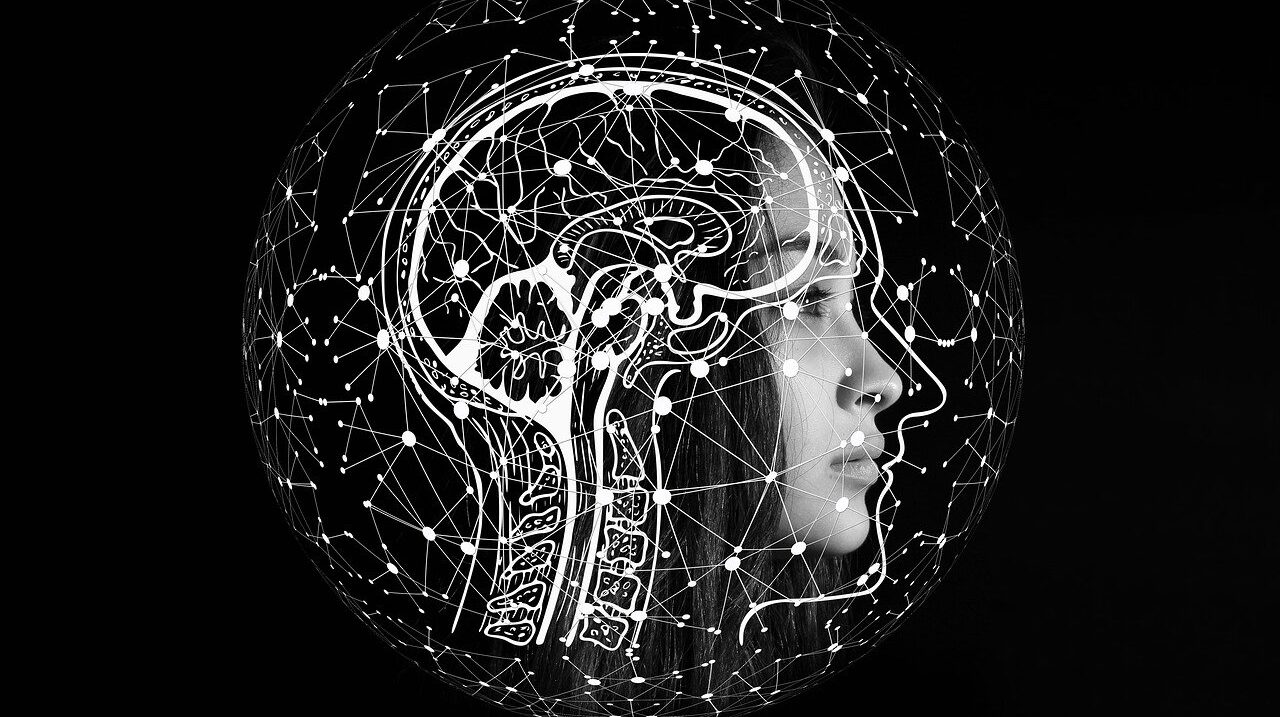
{:it}Negli ultimi mesi l’intelligenza artificiale ha rappresentato certamente uno dei trend di cui si è maggiormente discusso. Dal lancio di Chat GPT sono state moltissime le dimostrazioni delle potenzialità dell’intelligenza artificiale, alcune brillanti, altre meno.
C’è chi si è soffermato a pensare a come l’AI possa impattare su determinati settori professionali, in particolar modo sollevando preoccupazioni per quelle figure che rischiano di essere sostituite dall’avanzare della tecnologia.
Altri invece esternano la propria ammirazione per un’innovazione che sembra averci portato avanti nel tempo di diverse decadi, consentendoci risultati e risparmi di tempo e risorse a cui sinora non potevamo ambire.
C’è infine chi sminuisce l’intelligenza artificiale, sottolineandone i limiti e ponendo l’attenzione sul fatto che l’intelligenza umana non potrà mai essere sostituita e ci sarà sempre bisogno del nostro ausilio quando si deciderà di lavorare con le macchine.
Da menzionare anche i più appassionati di fantascienza, la cui maggiore preoccupazione è legata a uno sviluppo catastrofico dell’intelligenza artificiale, che vedrà i robot sovrastare completamente la razza umana, addirittura senza che l’uomo stesso sia in grado di rendersene conto.
Ma chi ha ragione? Tutti, nessuno, o la verità, come spesso accade, sta nel mezzo?
La verità è che non si può predire il futuro, per quanto le analisi predittive siano un altro tema che appassiona quando si parla di tecnologia. Ma ciò che possiamo sicuramente fare è guardare al passato.
Non abbiamo infatti inventato l’intelligenza artificiale e il machine learning pochi mesi fa, e abbiamo già esperienza dell’impatto che queste innovazioni hanno avuto in determinati settori.
Per fare la nostra riflessione definitiva prendiamo spunto dal mondo dei giochi, che certamente può dirci molto su come l’intelletto umano abbia accolto l’AI mettendo in campo la propria esperienza e le proprie capacità strategiche.
Se parliamo di intelletto e giochi sono due i campi di battaglia che vanno per forza citati: gli scacchi e il Go.
Gli scacchi sono il gioco strategico per eccellenza: nella scacchiera non esiste fortuna, esistono solo strategia, adattamento e conoscenza delle tattiche di guerra. Il Go invece è il gioco più difficile: se già negli scacchi i potenziali scenari dopo l’apertura, le prime 5-10 mosse per intenderci, sono numerosissime, nel Go questi scenari si moltiplicano esponenzialmente, dando vita a partite sempre nuove, creando quindi le condizioni per dare un grosso vantaggio a una mente meccanica, computerizzata e potenzialmente spietata.
Andando subito al finale delle partite che hanno visto la mente umana confrontarsi con quella artificiale, dobbiamo ammettere di aver perso, e di aver perso anche con un notevole scarto, più e più volte.
Campioni del mondo di Go e gran maestri di scacchi non hanno potuto nulla contro le intelligenze artificiali, soprattutto dopo che le prime partite venivano giocate e le menti computerizzate imparavano.
Ci siamo anche tolti qualche piccola soddisfazione, riuscendo talvolta a competere, ma nel lungo termine non c’è stata partita.
E quindi com’è andata a finire? Nessuno gioca più a scacchi o a go?
Come la pensano i grandi maestri e i campioni del mondo che teoricamente dovevano essere “licenziati” dai loro incarichi, lasciando quindi spazio alle macchine?
Il loro riscontro è una totale estasi verso le innovazioni apportate dall’AI e un ritrovato amore verso la propria passione, nonché il proprio lavoro.
Quella che potenzialmente poteva sembrare una sconfitta definitiva, è stata in realtà una lezione iniziatica. Un’iniziazione a un nuovo modo di vedere le cose, un nuovo modo di pensare e quindi di agire.
L’intelligenza artificiale ha aperto nuovi scenari, ha insegnato nuove tattiche, nella sua fase di apprendimento ha appreso come abbiamo fatto noi, ha commesso gli stessi errori e ha trovato le stesse e nuove soluzioni. Ammirandone l’evoluzione i grandi maestri hanno appreso a loro volta e ne hanno tratto un enorme giovamento. Si confrontano con essa per valutare e rielaborare le proprie scelte e adattano la propria mente ai nuovi schemi proposti dall’AI.
Ed è proprio questa la più grande lezione che abbiamo imparato sinora dall’intelligenza artificiale: si tratta di uno strumento a nostra disposizione per migliorarci, e non per sostituirci o minacciarci in alcun modo. Se saremo bravi a utilizzarla in modo corretto potrà migliorare ogni aspetto della nostra vita, dal nostro lavoro alla nostra quotidianità, sino ad andare sempre più nel profondo, migliorando il nostro modo di vedere il mondo.{:}{:en}Artificial intelligence has certainly been one of the most discussed trends in recent months. Since the launch of Chat GPT there have been many demonstrations of the potential of artificial intelligence, some brilliant, some not so.
There are those who have stopped to think about how AI can impact certain professional sectors, especially by raising concerns for those figures who risk being replaced by the advance of technology.
Others, on the other hand, express their admiration for an innovation that seems to have brought us forward over several decades, allowing us results and savings in time and resources that we could not aspire to hitherto.
Finally, there are those who belittle artificial intelligence, underlining its limits and drawing attention to the fact that human intelligence can never be replaced and our help will always be needed when we decide to work with machines.
Also worth mentioning are the science fiction enthusiasts, whose greatest concern is linked to a catastrophic development of artificial intelligence, which will see robots completely dominate the human race, even without man himself being able to realize it.
But who is right? Everyone, no one, or does the truth, as often happens, lie somewhere in between?
The truth is that the future cannot be predicted, although predictive analyzes are another topic that fascinates when it comes to technology. But what we can definitely do is look to the past.
In fact, we did not invent artificial intelligence and machine learning a few months ago, and we already have experience of the impact these innovations have had in certain sectors.
To make our definitive reflection, let’s take a cue from the world of games, which can certainly tell us a lot about how the human intellect has welcomed AI by putting its experience and strategic skills into play.
If we talk about intellect and games, there are two battlefields that must necessarily be mentioned: chess and Go.
Chess is the strategic game par excellence: there is no luck on the chessboard, there is only strategy, adaptation and knowledge of war tactics. Go, on the other hand, is the most difficult game: if the potential scenarios after the opening, the first 5-10 moves to be clear, are already numerous in chess, in Go these scenarios multiply exponentially, giving life to ever new games, thus creating the conditions to give a big advantage to a mechanical, computerized and potentially ruthless mind.
Going straight to the end of the matches that have seen the human mind confront the artificial one, we have to admit that we have lost, and that we have lost even by a considerable gap, over and over again.
Go world champions and chess grandmasters have been powerless against artificial intelligences, especially after the first few games were played and computer minds learned.
We also took away some small satisfaction, sometimes managing to compete, but in the long term there was no match.
And so how did it end? Does anyone play chess or go anymore?
How do the great masters and world champions who theoretically should have been “fired” from their positions, thus leaving room for the machines, think?
Their response is total ecstasy towards the innovations brought about by AI and a newfound love towards their passion, as well as their work.
What could potentially have seemed like a definitive defeat was actually an initiatory lesson. An initiation into a new way of seeing things, a new way of thinking and therefore of acting.
Artificial intelligence has opened up new scenarios, taught new tactics, in its learning phase it learned like we did, made the same mistakes and found the same new solutions. By admiring its evolution, the great masters learned in turn and benefited enormously from it. They confront it to evaluate and rework their choices and adapt their minds to the new schemes proposed by AI.
And this is precisely the greatest lesson we have learned so far from artificial intelligence: it is a tool at our disposal to improve ourselves, and not to replace or threaten us in any way. If we are good at using it correctly, it can improve every aspect of our lives, from our work to our daily lives, up to going deeper and deeper, improving our way of seeing the world.{:}

 Ott 26, 2026

