


10 inventions that once seemed like science fiction and are now real
The history of technology is filled with ideas that, at the moment of their conception, seemed too bold to be taken seriously. Many of these inventions were anticipated by novels, films, and comics, becoming icons of pop culture long before transforming into concrete objects. Yet the distance between imagination and reality has narrowed in surprising ways, especially over the past decades, as scientific research and industrial innovation have made possible what once seemed unattainable.
Today we live surrounded by technologies that our great-grandparents would have interpreted as pure magic. The boundary between science fiction and everyday life has dissolved thanks to intelligent devices, algorithms that learn autonomously, and machines capable of replicating human behavior. Understanding how these inventions moved from the world of ideas to the real world is fascinating because it reveals the speed at which progress reshapes our collective imagination.
Smartphones: the real version of the sci-fi “communicator”
When looking at modern smartphones, it’s hard not to think of the portable communicators imagined in countless science fiction works. Pocket-sized devices capable of connecting us to the world, displaying information, translating languages, and performing tasks once reserved for supercomputers. Science fiction envisioned the concept, but chip miniaturization and the explosion of wireless technologies turned it into something even more advanced.
Self-driving cars: from artificial intelligence to the streets
Self-driving cars were once futuristic dreams reserved for films set in hypertechnological cities. Today, thanks to lidar sensors, neural networks, and highly sophisticated navigation systems, autonomous vehicles are a reality in constant evolution. Although mass adoption still requires time, their presence on the roads already signals a shift in the mobility paradigm.
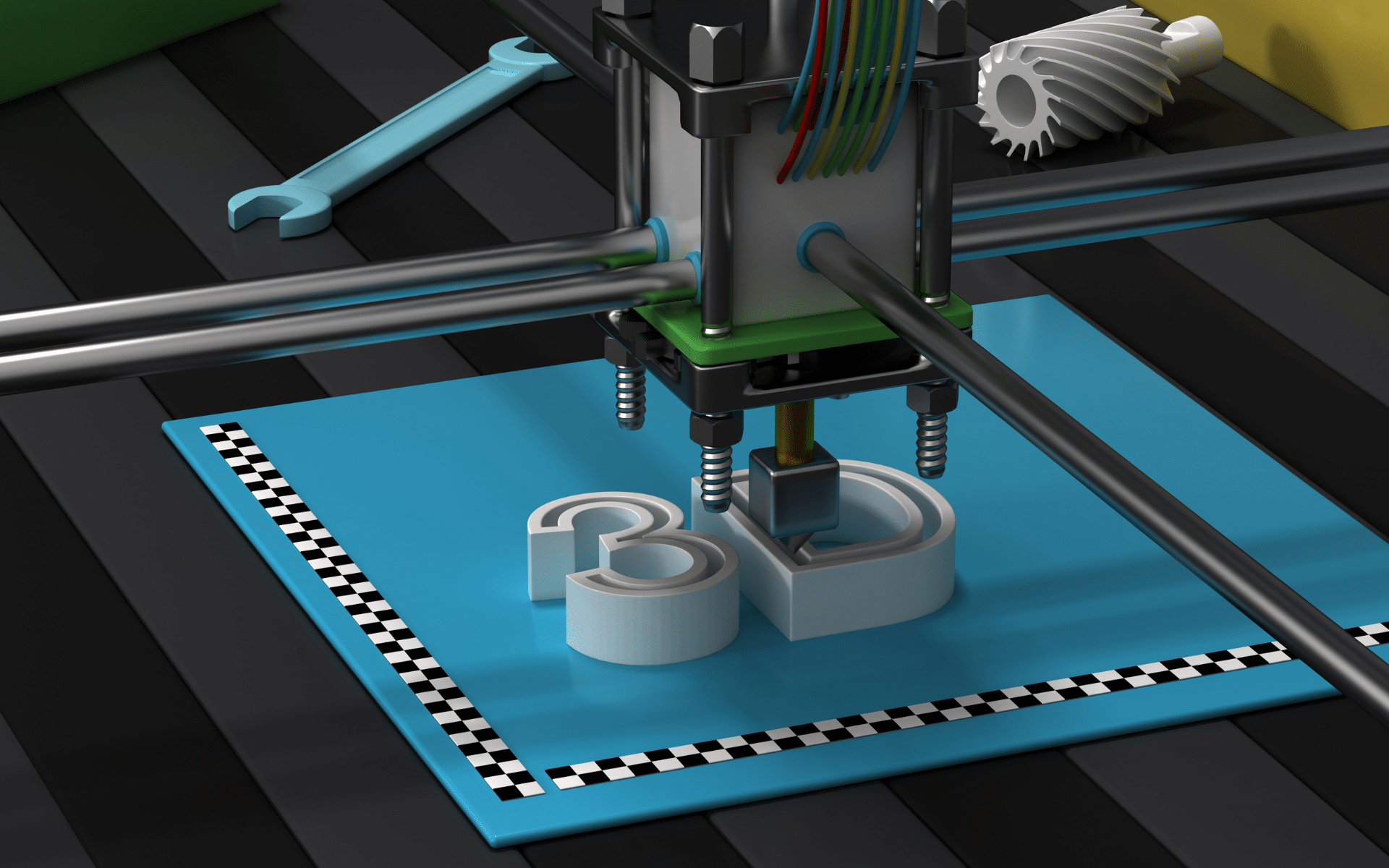
3D printers: the evolution of material replication
The ability to create objects from nothing was a classic theme of science fiction for years. 3D printers have made this concept real, enabling the production of accessories, prosthetics, mechanical components, and even parts of buildings. The technology continues to evolve toward more advanced materials and faster processes, opening scenarios far beyond prototyping.
Virtual and augmented reality: digital worlds layered onto the real one
VR and AR were imagined as tools capable of transporting users into parallel worlds or enriching perception with additional layers of information. Today they are used in gaming, training, industrial design, and medicine. Modern headsets are lighter, more accessible, and increasingly integrated with intelligent software that analyzes space and human movement.
Voice assistants: computers that respond like people
Science fiction often portrayed conversational computers capable of interacting like humans. Conversational AI, powered by advanced language models, has made it possible to interact with voice assistants that understand complex commands and respond naturally. Their widespread presence in homes, mobile devices, and cars shows how deeply this technology has entered daily life.
Drones: flying vehicles with countless applications
The idea of small, remotely controlled flying vehicles belonged for years to futuristic cinema. Today drones are used for deliveries, inspections, filmmaking, and rescue operations. Their combination of advanced sensors, high-precision GPS, and automated control systems has turned them into indispensable tools across many industries.
Telemedicine: remote care made possible by technology
Science fiction often imagined doctors capable of monitoring patients from a distance through screens or wearable devices. Today telemedicine enables video consultations, diagnoses based on real-time biometric data, and continuous follow-up without the need for hospital visits. Sensors, digital platforms, and secure networks have made this model not only possible but increasingly widespread.
Instant automatic translators: breaking language barriers
Fiction frequently imagined devices able to translate any language in real time. Modern automatic translation systems, accelerated by artificial intelligence, come closer to this vision than ever. We can now converse with people from different countries and receive real-time translations with a level of accuracy unimaginable just a few years ago.
Contactless payments: invisible and immediate transactions
Science fiction often played with the idea of immaterial money and invisible transactions. Contactless payments, powered by NFC and mobile wallets, have made this concept absolutely real. A simple tap of a device on a terminal completes a purchase, without physical contact and with increasingly sophisticated security.
Collaborative robots: machines working alongside humans
Futuristic stories imagined robots assisting humans in repetitive or dangerous tasks. Collaborative robots, or cobots, have become a reality in modern factories. They recognize their surroundings, work with millimetric precision, and adapt to the rhythm of human operators. This technology is redefining the very concept of industrial automation.
This content was created in compliance with the transparency and traceability principles set out in the European AI Act Regulation (2025). Content type: AI-assisted