

What are smart grids
In recent years, the way we produce and consume energy has been changing rapidly. The growing spread of renewable energy sources, the electrification of transport, and the increase in energy demand are putting pressure on traditional infrastructures. In this scenario, the need for more intelligent systems capable of managing complex energy flows in an efficient and sustainable way is becoming increasingly evident.
It is in this context that smart grids emerge, meaning intelligent electricity networks. These are not simply a technological upgrade of existing grids, but a real paradigm shift. Smart grids introduce a new way of thinking about energy, based on data, automation, and interconnection, with the goal of making the energy system more flexible, resilient, and sustainable.
How smart grids work
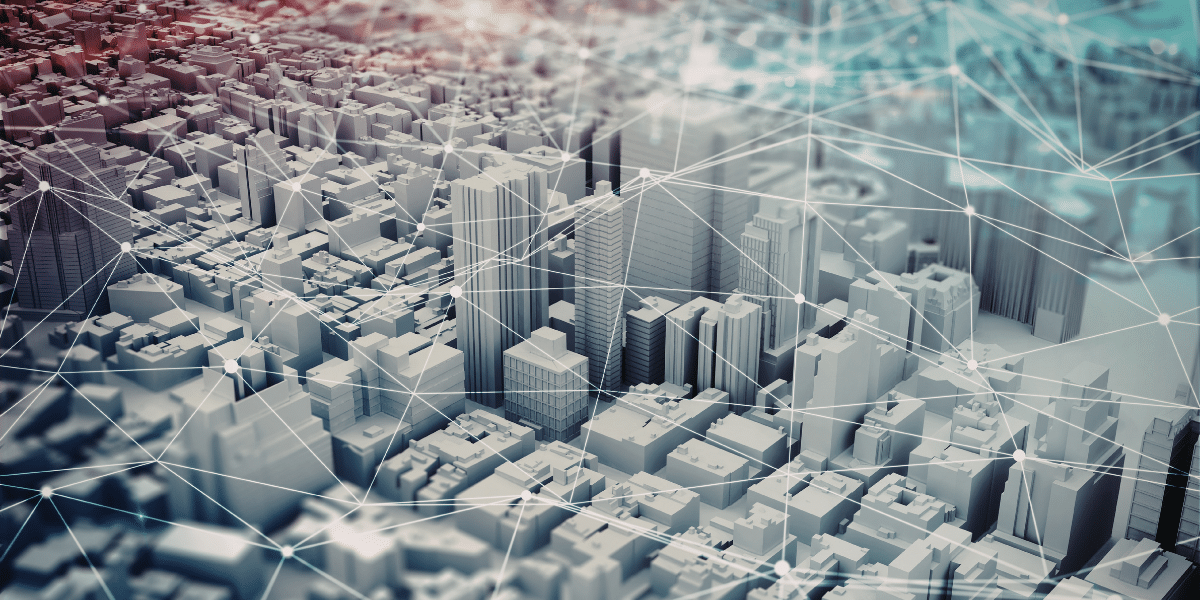
Smart grids are electricity networks that integrate digital technologies to monitor, analyze, and manage energy production and consumption in real time. Unlike traditional grids, where energy flows in a single direction from power plants to consumers, smart grids enable bidirectional exchange.
This means that consumers can also become energy producers, for example through residential solar systems. Sensors, smart meters, and communication systems continuously collect data on the functioning of the grid, allowing energy distribution to be adapted dynamically and efficiently.
The role of data and digital intelligence
One of the key elements of smart grids is the use of data. Every component of the network is able to communicate information about its status, providing a complete and up-to-date view of the system.
Thanks to data analysis and artificial intelligence, it is possible to predict consumption peaks, identify potential faults, and optimize the use of energy resources. This approach makes it possible to reduce waste, improve efficiency, and ensure greater grid stability, even in the presence of fluctuations in renewable energy production.
Integration of renewable energy
Smart grids play a fundamental role in integrating renewable energy sources such as solar and wind. These sources are inherently variable and not always predictable, making grid management more complex.
Thanks to their ability to adapt in real time, smart grids make it possible to balance supply and demand even when production fluctuates. They can, for example, store energy when production is high and distribute it when demand increases, helping to make the energy system more stable and sustainable.
Active involvement of consumers
An innovative aspect of smart grids is the active role of consumers. Through technologies such as smart meters and digital platforms, people can monitor their energy consumption and adjust their behavior.
In some cases, it is possible to participate in demand response programs, which encourage reducing or shifting consumption during peak demand periods. This not only improves grid efficiency but also creates new economic opportunities for users and businesses.
System security and resilience
Smart grids also improve the security and resilience of electricity networks. The ability to monitor systems in real time and intervene quickly helps reduce response times in case of faults or anomalies.
Moreover, the more decentralized distribution of energy production reduces dependence on large centralized plants, making the system less vulnerable to large-scale disruptions. However, the introduction of digital technologies also brings new challenges related to cybersecurity, which require continuous attention and investment.
The future of energy networks
Smart grids represent one of the key elements in the transformation of the global energy system. With the increase in renewable energy and the spread of technologies such as electric vehicles, the need for intelligent networks will become increasingly evident.
In the future, smart grids are likely to evolve further, integrating new technologies and becoming increasingly autonomous and interconnected. In this scenario, energy will no longer be managed statically, but as a dynamic and intelligent system, capable of adapting to the needs of an ever-changing world.