


What is green hydrogen
In recent years, the topic of energy transition has become increasingly central in the global debate. The need to reduce CO₂ emissions and find alternatives to fossil fuels has pushed governments, companies, and research centers to explore new solutions. Among these, green hydrogen is emerging as one of the most promising options for building a sustainable energy future.
But what does “green hydrogen” really mean, and why is it talked about so much? It is not simply a new source of energy, but a different way of producing and using it. Hydrogen, in fact, is the most abundant element in the universe, but on Earth it does not exist in pure form and must be extracted through processes that can be more or less sustainable. This is exactly where the concept of green hydrogen comes into play.
What green hydrogen is and how it is produced
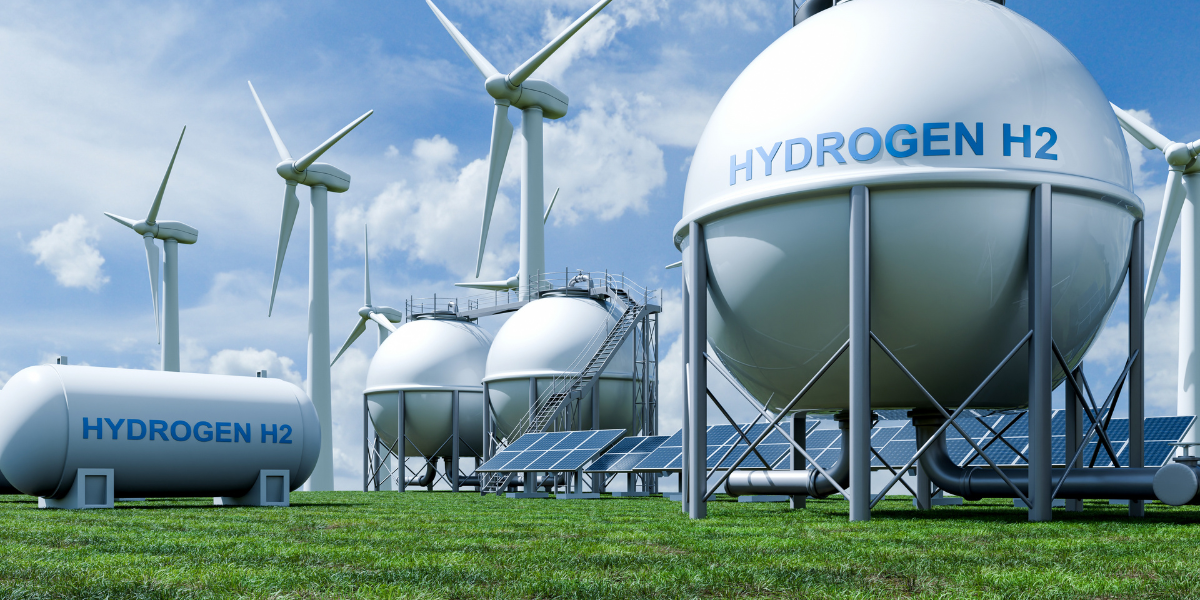
Green hydrogen is hydrogen produced using energy from renewable sources, such as the sun or wind. The most common process to obtain it is water electrolysis, a technique that separates hydrogen from oxygen using electric current.
The fundamental difference compared to other production methods lies precisely in the origin of the energy used. If the electricity comes from renewable sources, the process does not generate CO₂ emissions, making hydrogen a potentially clean solution. This distinguishes it from “grey” hydrogen, produced from natural gas, and “blue” hydrogen, which involves carbon capture systems but does not completely eliminate environmental impact.
Why green hydrogen is so important
Interest in green hydrogen stems from its versatility. It can be used as a fuel, as an energy carrier, or as a raw material in various industrial processes. Unlike electricity, hydrogen can be stored and transported more easily over long distances, making it an interesting solution for balancing energy production.
Moreover, it represents one of the few alternatives for decarbonizing sectors that are difficult to electrify, such as heavy industry, maritime transport, and aviation. In these areas, batteries alone are not sufficient, and hydrogen could play a key role in reducing emissions.
Real-world applications
Applications of green hydrogen are beginning to take shape across different sectors. In industry, it can be used to produce steel without the use of coal, drastically reducing emissions. In transportation, it is finding space in fuel cell vehicles, particularly for heavy-duty transport such as buses and trucks.
In the energy sector as well, hydrogen can be used to store energy produced from renewable sources and release it when needed. This makes it a strategic element for the stability of power grids, especially in a context where solar and wind energy have variable production.
The challenges to overcome
Despite its great potential, green hydrogen still faces several challenges. Production through electrolysis is currently expensive, especially when compared to fossil fuel-based alternatives. In addition, it is necessary to develop adequate infrastructure for the transport and storage of hydrogen, which requires specific conditions to be handled safely.
Another aspect concerns energy efficiency. Converting electricity into hydrogen and then back into usable energy involves losses, making the process less efficient than the direct use of electricity in some cases. For this reason, hydrogen is often seen as a complementary solution rather than a replacement.
The role of hydrogen in the future energy system
Looking ahead, green hydrogen could become a fundamental pillar of the global energy system. With technological progress and the decreasing costs of renewable energy, the production of sustainable hydrogen is set to grow.
Many countries are already investing in national strategies to develop this technology, creating new industrial and employment opportunities. Hydrogen does not represent a single solution to all energy challenges, but it could be one of the key elements in building a cleaner, more flexible, and more resilient system.
Ultimately, understanding what green hydrogen is means looking beyond current technologies and imagining an energy model in which sustainability and innovation move forward together.