


IoT and digital twin
The digital transformation of recent years has introduced a new generation of tools capable of radically changing the way we design, monitor, and optimize complex systems. Among these, the convergence between the Internet of Things and digital twins is one of the most intriguing evolutions, because it combines the ability of sensors to collect real-time data with the power of digital simulations. This is no longer about imagining futuristic scenarios, but about concrete applications that are revolutionizing key sectors such as industry, urban planning, and healthcare.
The emergence of digital twins has introduced an entirely new paradigm: every physical asset, from a production line to the electrical grid of a city, can also exist as a dynamic digital model powered by IoT data. This allows organizations to analyze behaviors, predict malfunctions, test hypotheses, and make faster, more informed decisions. Simulations are no longer limited to the design phase but have become an integral part of day-to-day operational management.
From sensor to digital twin
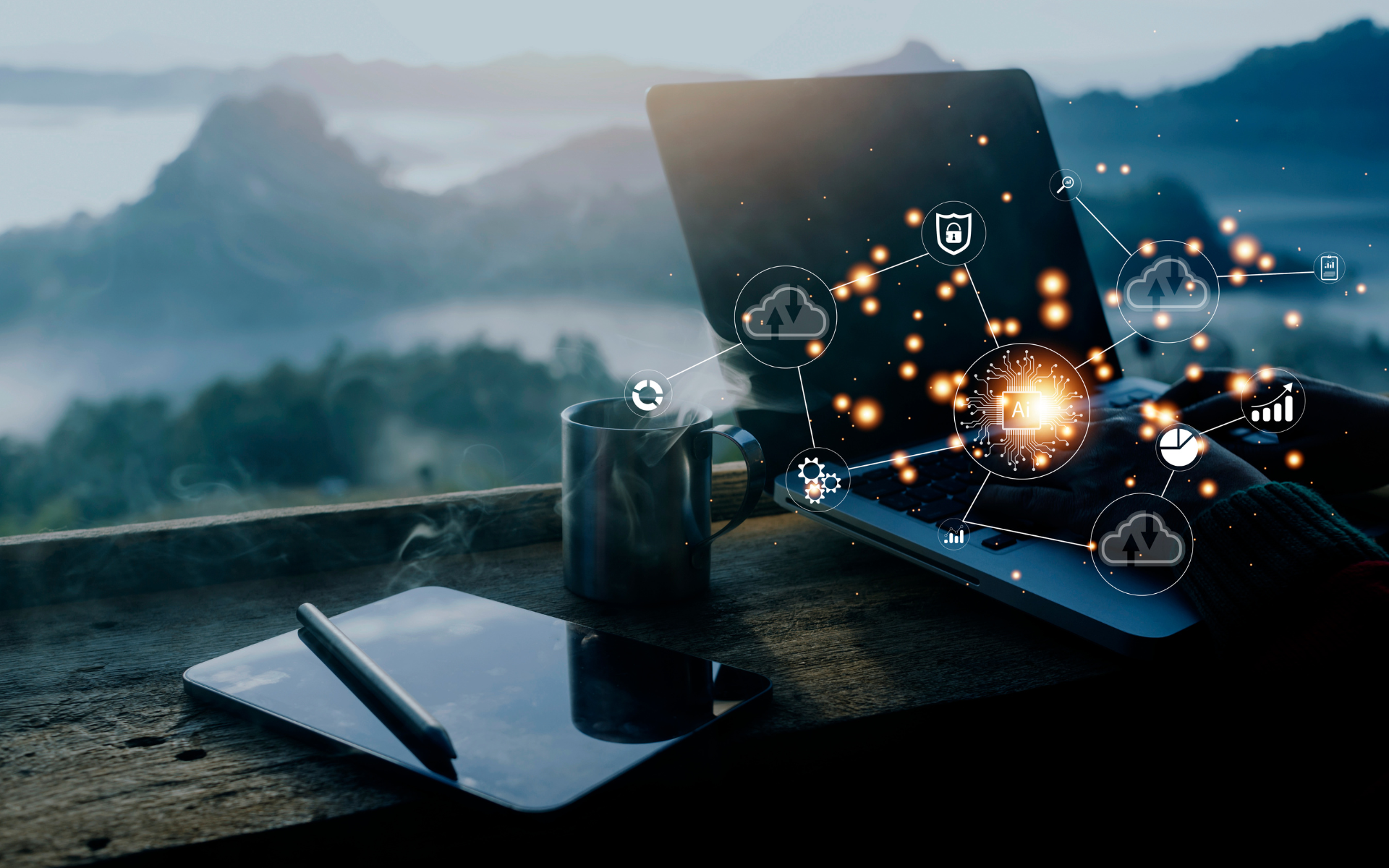
The core of the relationship between IoT and digital twins is the continuous flow of data. Connected devices gather information on status, temperature, vibrations, energy consumption, and hundreds of other parameters, creating an accurate, constantly updated digital representation of the physical asset. This synchrony allows the digital twin to react almost in real time, processing data through advanced simulation engines, mathematical models, and predictive algorithms.
The complexity lies in the integration of multiple technologies. 5G networks ensure the connectivity needed for fast, reliable data transfer, cloud platforms provide computational power for large-scale processing, and machine learning tools extract insights that progressively refine the digital model. The result is an ecosystem in which the digital does not simply replicate the real but interprets and enhances it.
Smart manufacturing
In the industrial sector, the adoption of digital twins is transforming factories into intelligent organisms. Production lines are replicated digitally to monitor every phase of the process, anticipate failures, and reduce downtime. The digital twin can simulate how a machine will respond to different load scenarios, forecast when a component is nearing its wear limit, and suggest predictive maintenance strategies.
This approach extends beyond individual machines to entire facilities. Simulating logistics flows, managing energy consumption, and optimizing the routes of industrial robots allows companies to reduce waste, improve product quality, and increase production capacity without investing in new physical infrastructure. The digital twin becomes a virtual control room for the entire factory.
Smart cities
Cities today face increasingly complex challenges, from traffic management to pollution to energy planning. With IoT devices distributed across roads, buildings, and transport networks, it is possible to build urban digital twins that accurately represent city dynamics. This enables public decision-makers to simulate the impact of new infrastructure, analyze traffic behavior during extraordinary events, and evaluate strategies to improve environmental sustainability.
Simulations help predict congestion, identify high-risk areas, optimize public transport routes, and manage lighting and energy distribution more efficiently. Smart cities built on digital twins become adaptive systems capable of responding quickly to change and making data-driven decisions to improve citizens’ quality of life.
Digital healthcare
In healthcare, IoT and digital twins are driving a quiet yet profound revolution. Hospitals can create digital models of their facilities to monitor bed availability, optimize staff movements, and predict service demand during critical periods. Simulations help identify bottlenecks, enhance operational efficiency, and reduce wait times and resource waste.
The potential extends to individual patients as well. Wearable IoT devices collect constant biometric data, feeding personalized digital twins that simulate specific clinical conditions. This allows physicians to anticipate disease progression, assess treatment effectiveness, and plan personalized interventions. Medicine becomes more precise, preventive, and dynamic.
The union between real and digital
The relationship between IoT and digital twins represents one of the most promising technological convergences of recent years. Digital simulations are no longer a design support but an advanced operating system that drives real-time strategic decisions. Companies, cities, and hospitals adopting this approach can evolve faster, reduce operational costs, and anticipate problems before they escalate.
The increasing maturity of IoT technologies, the evolution of predictive models, and the spread of high-performance cloud platforms make digital twin adoption more accessible. We are moving toward a future where every significant asset will have a digital counterpart, a future where real and virtual collaborate continuously to optimize the world around us.