


Biodegradable hi-tech materials
In recent years, the topic of sustainability has become increasingly intertwined with technological innovation. The growing production of electronic waste, combined with the rapid obsolescence of digital devices, has pushed researchers and companies to look for solutions capable of reducing the environmental impact of hi-tech products. It is in this context that biodegradable materials applied to electronics have emerged, a field that until recently seemed incompatible with any form of natural decomposition.
Today, however, the idea of a microchip dissolving after completing its lifecycle or a biological sensor monitoring the human body without leaving a trace is no longer science fiction. It is the result of years of research in materials science, green chemistry, and electronic engineering. Progress is still at an early stage, but it represents a quiet revolution that could completely redefine the future of technological design.
Why biodegradable electronics are so important
Traditional electronics rely on materials that take decades or even centuries to degrade, such as pure silicon, plastics, and difficult-to-recycle metals. This creates a major environmental challenge, especially as the number of devices produced each year continues to grow. Biodegradable hi-tech materials introduce a new paradigm: creating components that are high-performing during use and harmless after disposal.
These materials, often derived from natural polymers or reactive metals that can dissolve in water or biological agents, drastically reduce the amount of electronic waste. The goal is not only to build disposable devices, but to design technologies that respect the environment and can be disposed of without complex industrial processes.
Biodegradable microchips: a revolution in green miniaturization
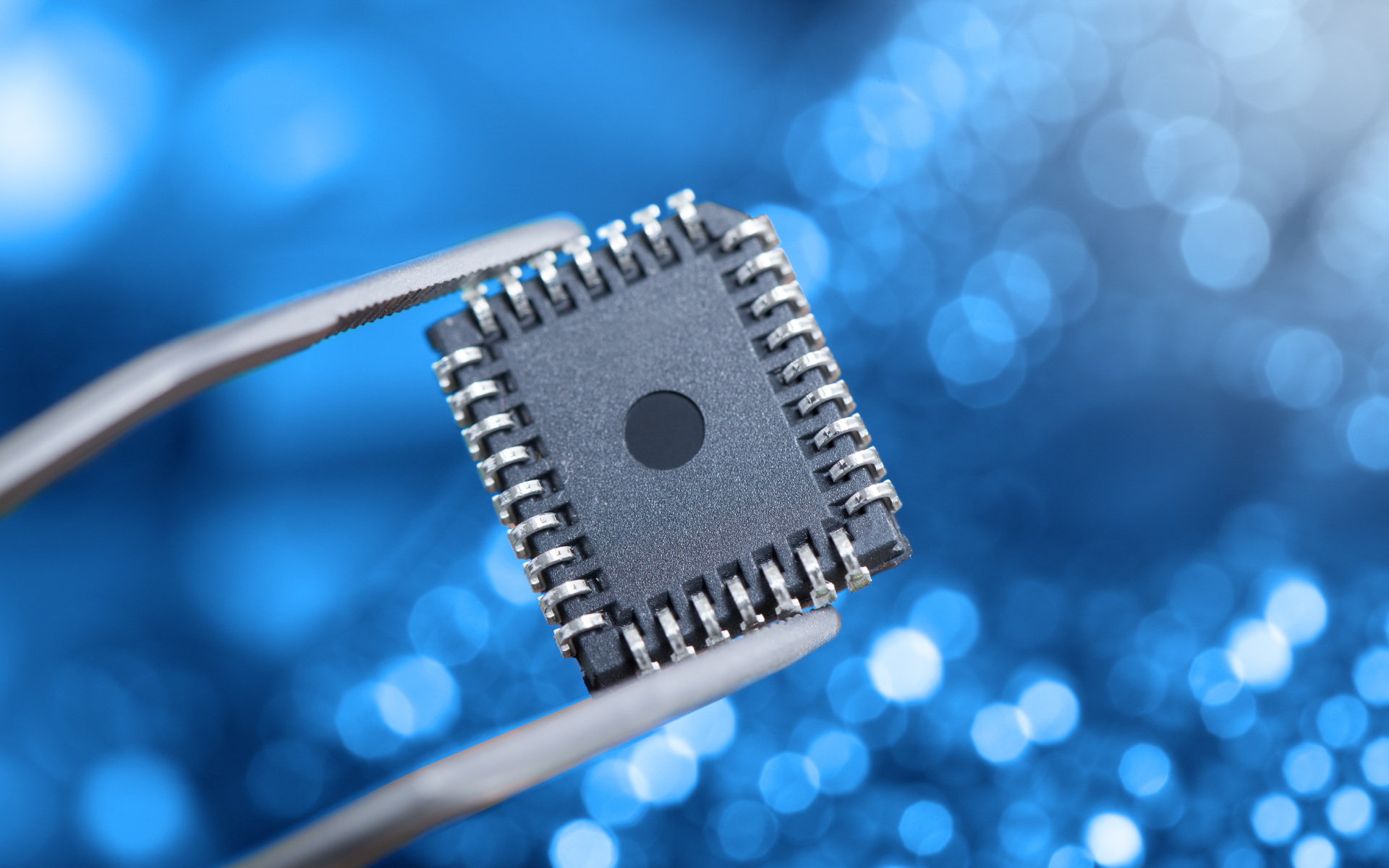
Biodegradable microchips are among the most fascinating innovations. Engineers and researchers are experimenting with materials such as magnesium, tungsten, and specific organic polymers that can dissolve in the presence of liquid. The result is a complete electronic circuit that can disappear once it has fulfilled its purpose.
These chips are especially promising in the medical field. One can imagine implantable devices capable of monitoring vital parameters and then disintegrating on their own, avoiding the need for removal procedures. This reduces clinical risk and paves the way for less invasive medical technologies. Industrial and military applications are also being explored, including temporary environmental sensors deployed in sensitive areas.
Green sensors: when nature becomes part of electronics
Beyond microchips, another rapidly growing area is biodegradable sensors, designed to monitor environments, agricultural fields, or health conditions without generating waste. Many of these devices use substrates made of paper, cellulose, silk, or chemically modified organic materials that can conduct electricity. Their composition makes them ideal for applications where the sensor is left in place and not recovered.
In agriculture, biodegradable sensors can measure soil moisture and nutrient levels, decomposing naturally after harvest. In healthcare, smart patches made from organic materials can detect parameters such as temperature or heart rate and then dissolve without causing irritation or requiring disposal. Nature becomes an integral part of the technological cycle, offering a new way of imagining electronics as something harmonious rather than intrusive.
Challenges: performance, durability, and large-scale production
Despite their enormous potential, biodegradable electronics still face several challenges. The first concerns performance: biodegradable materials often cannot yet match the conductivity or stability of traditional materials. Durability is another complex variable, because devices must remain stable until the intended moment of degradation.
Finally, there is the issue of industrial scalability. Producing biodegradable microchips and sensors requires highly specialized processes that are currently expensive. However, increasing government and corporate interest in green solutions may accelerate technological standardization and reduce economic barriers.
The future of sustainable electronics
The path toward mainstream biodegradable electronics is only beginning, but the potential is enormous. In the coming years, we may see widespread adoption of smart devices designed to incorporate sustainability at the molecular level. Imagining smartphones with biodegradable components, zero-impact environmental sensors, or fully resorbable medical devices is no longer a fantasy.
This transition requires a new design mentality in which engineering, chemistry, and aesthetics work together to create electronics that are not only useful during use but also responsible afterward. Technological innovation can become an ally of the environment, and biodegradable microchips and green sensors represent one of the most promising directions for building a truly sustainable hi-tech future.