
Odoo Is More Than Just an ERP: It’s a Different Way to Run a Business
 Oct 26,2026
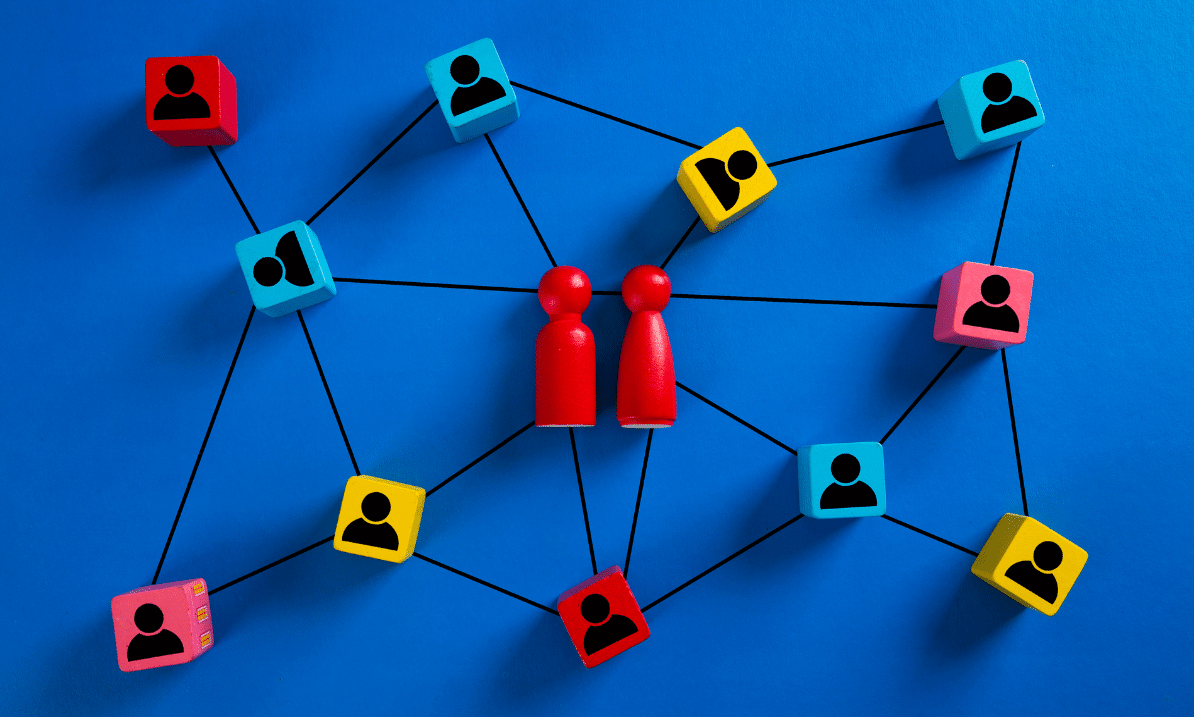
The sales team promises a delivery date. However, a component is missing from the warehouse. The administration team discovers the issue when preparing the invoice, and the customer finds out even later. No one has necessarily done anything wrong: each person has only seen one part of the bigger picture.
Situations like this reveal the true value of Odoo. Calling it an ERP system is technically correct, but that definition means little to people who coordinate teams, orders, projects, and customer requests every day. More practically, Odoo provides applications that share information throughout the entire workflow.
The most significant change is not simply having new software on your computer. It is no longer treating each department as an isolated unit. When information moves from one person to another without losing its context, making decisions and keeping commitments becomes much easier.
One Complete Story, From Start to Finish
A sales process does not end when the customer says yes. That is when the order, product preparation, delivery, invoicing, and sometimes customer support begin. If each stage relies on separate information, someone must constantly piece together what has happened.
With Odoo, these steps can be connected. Employees responsible for customer relationships no longer have to rely solely on memory or ask colleagues for updates. They can access the information they need to provide accurate, informed answers. As a result, customers deal with a company that understands their situation.
Problems Become Visible Earlier
Many businesses discover delays when it is already difficult to resolve them. Stock levels fall too low, tasks remain unfinished, or customer requests go unanswered. Managing operations through a shared system helps identify these warning signs while there is still time to take action.
This does not mean filling every working day with dashboards and charts. Sometimes, it is enough to know which orders are still open, which tasks have passed their deadlines, and who is handling a particular issue. Data is valuable when it supports decision-making. Collecting information without a clear purpose simply creates more work.
People Matter More Than Software Interfaces
A company can invest in a comprehensive management system and still continue running everything through emails, messages, and personal spreadsheets. This happens when responsibilities for updating information are unclear or when new processes make everyday tasks more complicated than before.
Successfully adopting Odoo therefore requires talking to the people who actually perform the work. How does an order begin? Where do deliveries get delayed? Which information is requested more than once? The answers to these questions are more valuable than a system filled with features nobody will use.
Transform One Process at a Time
There is no need to transform an entire company overnight. Businesses can begin with an area where problems are particularly visible, such as converting quotations into sales orders or managing customer support requests. A clear workflow can be established, tested with the people involved, and evaluated to see whether it eliminates unnecessary steps.
The next step is deciding which additional processes should be connected. This gradual approach also helps identify where common procedures are needed and where individual departments have specific requirements. A shared system works best when it reflects real business operations without forcing everyone to follow procedures that only make sense on paper.
Odoo cannot transform a company on its own. However, it can provide a shared environment where sales, operations, and administration teams have access to the same information and can take action at the right time.
The most valuable outcome is not another piece of software, but a stronger ability to work together.

 Oct 26, 2026

